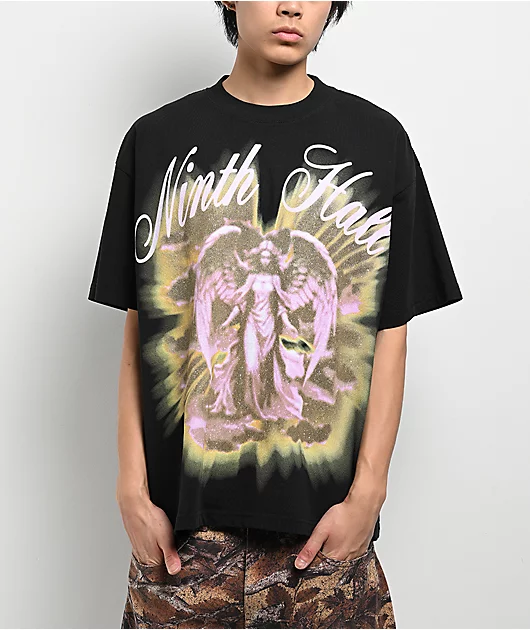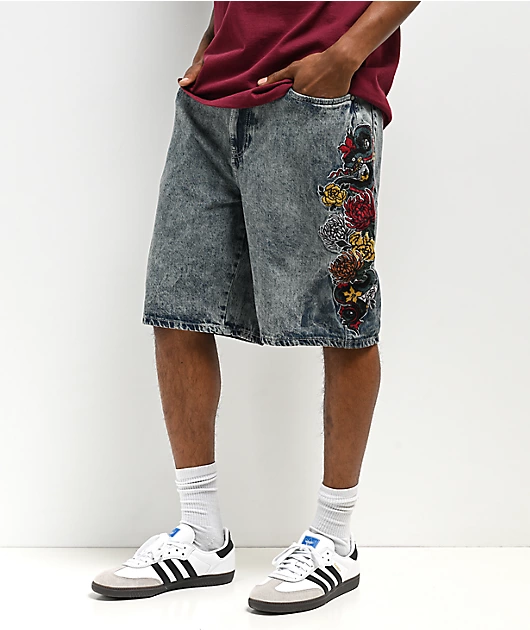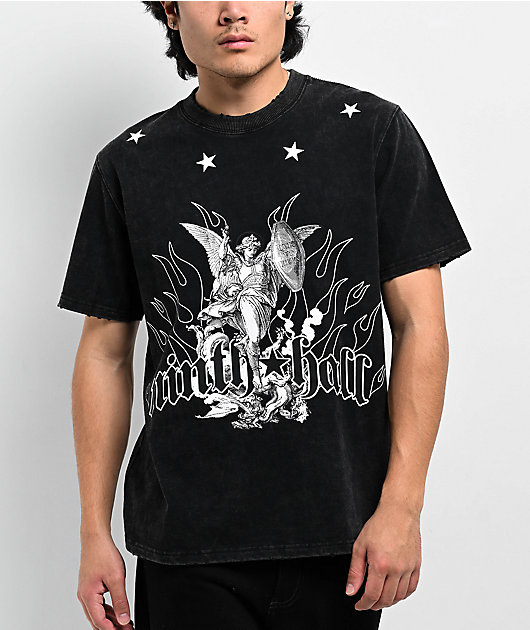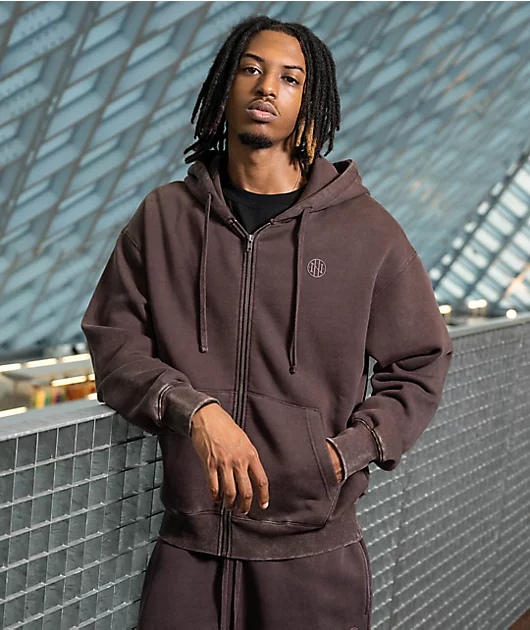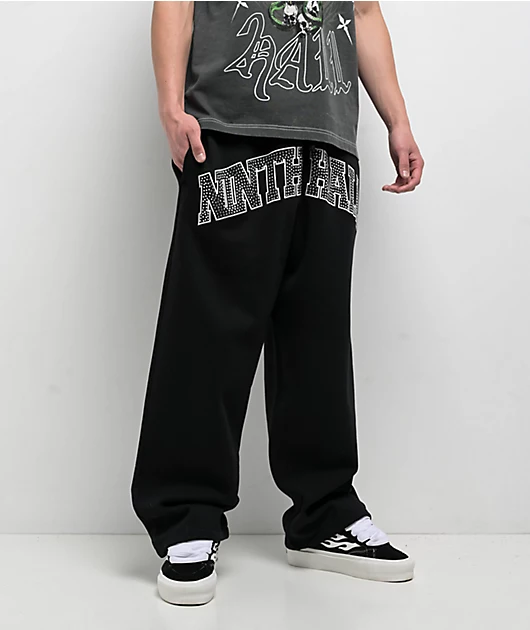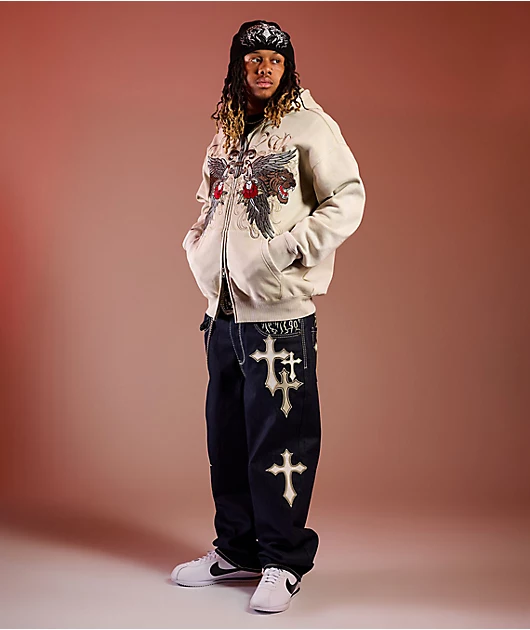

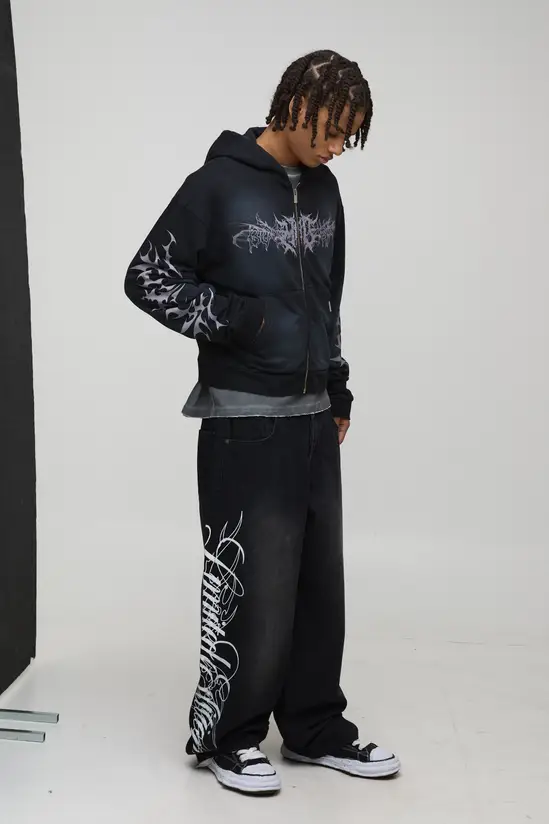
In the world of modern streetwear, Ninth Hall Clothing has become a recognizable name for its clean designs, versatile pieces, and urban aesthetic. From hoodies and T‑shirts to pants and accessories, the brand appeals to fashion enthusiasts who appreciate minimal yet stylish streetwear. But while the brand’s clothing is popular, many people often wonder: who actually owns Ninth Hall Clothing?
Understanding the ownership of a streetwear brand is important, especially in an industry where perception and branding often outweigh visibility of the business itself. Ninth Hall has cultivated an identity that makes it feel like an independent, creative label, but the story behind its ownership reveals an interesting connection to the retail industry.
The Identity of Ninth Hall Clothing:
Ninth Hall Clothing presents itself as a modern streetwear brand that prioritizes style, comfort, and accessibility. Its collections feature versatile pieces such as graphic tees, hoodies, jackets, and pants that are designed for everyday urban wear. The aesthetic is minimal, clean, and adaptable, making it easy for individuals to mix and match for casual or slightly elevated streetwear looks.
Despite its popularity and distinctive identity, the brand does not openly advertise its ownership, which has led to some confusion among consumers. Many assume that Ninth Hall is an independent label founded by designers in the streetwear scene.
Connection to Zumiez:
Upon closer examination, Ninth Hall Clothing is closely tied to Zumiez Services Inc., a large American retail company known for skateboarding and streetwear apparel. Records indicate that Zumiez owns the trademark for the Ninth Hall name, suggesting that the brand is either an in‑house label or a brand created exclusively for distribution through Zumiez stores.
Zumiez is a retailer that specializes in youth and street culture fashion, carrying both major designer brands and exclusive private labels. Owning or licensing a brand like Ninth Hall allows the company to control the design, quality, and distribution while offering products that cater specifically to its customer base. This practice is common among retail chains that want to provide unique products alongside established brands without competing directly with other designers.
What This Means for Consumers:
Even though Ninth Hall is associated with a large retailer, the brand has retained its streetwear credibility and style appeal. Its clothing maintains the aesthetic of an independent streetwear label—versatile, minimal, and edgy—while benefiting from the structure and resources of a major retail company. This means that consumers can enjoy consistent quality, wider availability, and affordable pricing compared to high-end independent designer brands.
The connection to Zumiez also explains why Ninth Hall is readily available in stores and online. The retailer can manage production, distribution, and marketing, ensuring that the brand aligns with current trends and customer expectations while maintaining the style that streetwear enthusiasts love.
The Brand’s Streetwear Philosophy:
Regardless of ownership, Ninth Hall Clothing continues to resonate with a growing audience because of its streetwear-first approach. Its designs combine practicality with style, offering pieces that are comfortable, wearable, and visually appealing. Minimalist graphics, neutral color palettes, and relaxed silhouettes make the brand accessible to a wide range of consumers who want to express themselves through fashion without overcomplicating their outfits.
Furthermore, the brand emphasizes versatility. Its clothing can be incorporated into layered looks, paired with sneakers, or styled with jackets and accessories to suit different occasions. This adaptability has helped Ninth Hall carve out a niche in the competitive streetwear market.
Why Understanding Ownership Matters:
Knowing that Ninth Hall is connected to Zumiez provides insight into how the brand operates within the fashion industry. It highlights a model where a retailer creates or owns a proprietary brand to offer something exclusive to its customers. This strategy benefits both the retailer and the consumer: the company maintains control over branding and product quality, while consumers gain access to unique streetwear items that aren’t widely available elsewhere.
It also challenges the common assumption that all popular streetwear brands are independent or designer-run. Many recognizable labels may appear independent but operate under larger corporate structures or retail ownership, allowing them to scale quickly and reach a broad audience.
Final Thoughts:
Ninth Hall Clothing may feel like a small, independent streetwear brand, but the truth is that it is closely associated with Zumiez Services Inc., a major retailer specializing in skate and urban fashion. This connection explains the brand’s accessibility, consistency, and ability to deliver trendy, versatile streetwear to a wide audience.
For consumers, this knowledge doesn’t diminish the appeal of Ninth Hall. The brand remains stylish, wearable, and culturally relevant, providing the edge and minimalist design that fans expect. Understanding the ownership behind Ninth Hall simply adds another layer of insight into how modern streetwear operates, blending creativity, retail strategy, and customer-focused design into a recognizable urban brand.
In a market filled with fleeting trends, Ninth Hall Clothing proves that a streetwear brand can feel authentic and stylish while benefiting from the structure of a larger retail company, ensuring both quality and accessibility for its growing community of fans.